Are you interested in visiting the farm? Click here and let’s arrange a viewing.

Are you interested in visiting the farm?

Click here and let’s arrange a viewing.

BLOGCompost

April 1, 2024

Awareness of the importance of a sustainable lifestyle is increasing. Our daily actions directly impact the health of our planet. In this context, composting has become a vital tool for environmental care. Regardless of the season, composting enables us to reduce organic waste while enhancing soil quality and plant health easily and effectively.

What is compost?

Composting is a natural process in which microorganisms break down organic waste into simpler components, resulting in compost, an organic fertilizer rich in humus. Compost is derived from plants or organic matter and is more eco-friendly than store-bought organic fertilizers due to its natural organisms.

How to make compost?

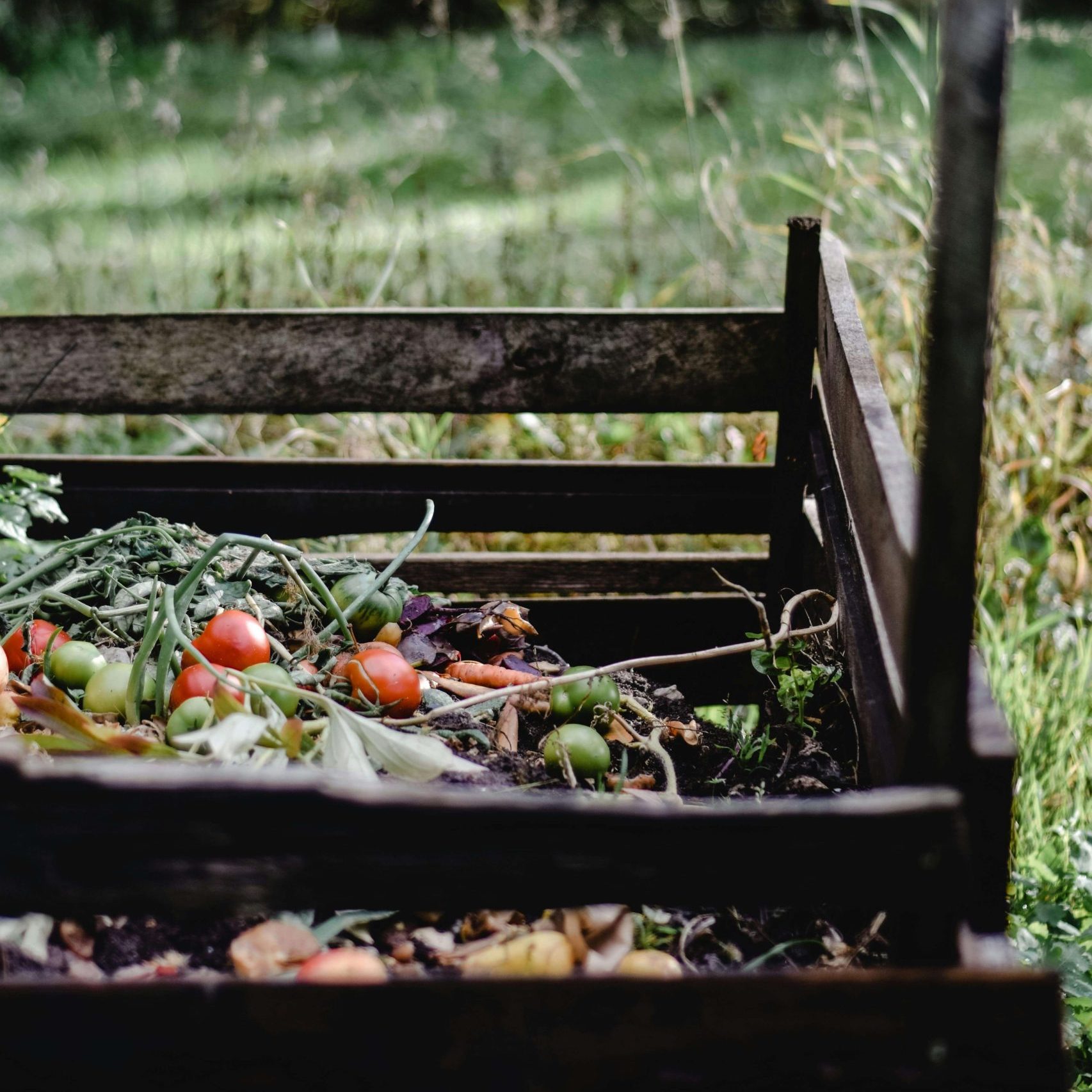
For those with ample space, compost can be piled up in a designated place. In households, wooden or plastic compost bins are popular. Placing the compost bin in the shade prevents it from drying out. Spring and fall are ideal for compost setup, as the soil is warm and dry. Adequate aeration is vital, achieved by adding approximately 10 centimeters of straw to the bottom of the pile before layering organic waste.

What goes in the compost?

Compost primarily consists of kitchen organic waste like eggshells, healthy garden waste, inedible plant parts, tea bags, and ferns. However, some exceptions include:

  • Citrus peels and onion skins, which are acidic
  • Bread, cookies, pastries, and pasta, as they attract pests
  • Milk and dairy products emit unpleasant odors during decomposition.
  • Oil
  • Rice
  • Carnivorous animal excrement (cats, dogs, etc.)
  • Plastic-coated or colored paper publications
  • Meat, and fish.

To protect compost from the weather, use cardboard, black plastic foil, or materials from specialized stores.

Compost at the Prekmurje Model Farm

At the Prekmurje Model Farm, we prioritize sustainable practices and responsible environmental stewardship. Introducing composting was a key step in this direction. Before we took over the model farm, composting wasn’t practiced here. Afterward, we designated a composting spot. We gradually started composting by depositing bedding from the stalls of our animals onto the pile. In spring, with more waste available, we intensify composting for high-quality organic matter. In the future, we aim to organize more practical workshops on composting. The aim of those workshops will be to spread knowledge about composting and its process. Composting is not just a way of disposing of waste but also a tool for improving soil fertility and strengthening our commitment to sustainability. Each of us can contribute to greater sustainability and environmental care through small actions.

ARCHIVECheck out our other blogs

Prekmurska Vzorčna Kmetija
Privacy Overview

This website uses cookies so that we can provide you with the best user experience possible. Cookie information is stored in your browser and performs functions such as recognising you when you return to our website and helping our team to understand which sections of the website you find most interesting and useful.